
Replacement of Missing Teeth
Replacement of Missing Teeth
A gap in the dental arch is often perceived as a cosmetic issue. The real reason for teeth replacement is done is to compensate for the structural failure of the missing tooth. When a tooth is lost, the jawbone in that area stops receiving the mechanical stimulation it needs, leading to bone resorption. Over time, the adjacent teeth begin to tilt into the empty space, a process known as "pathological migration." This shift disrupts the bite alignment and creates difficult-to-clean areas that invite decay.
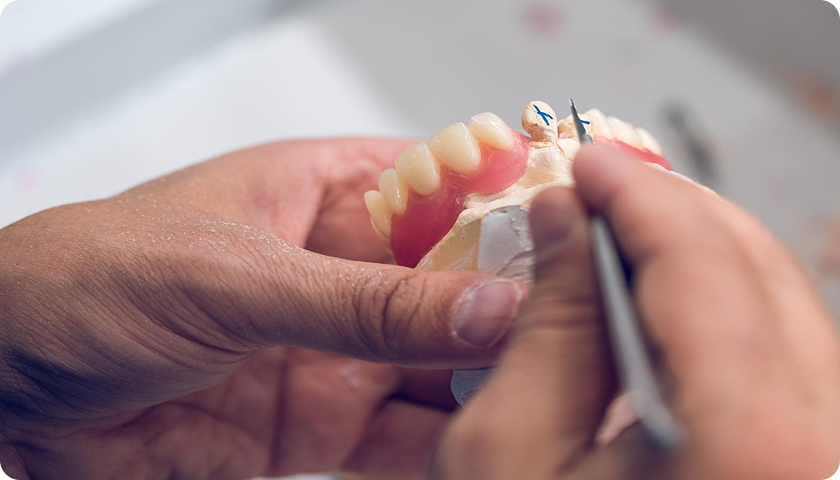
The Biological Impact of Tooth Loss
Without a replacement, the opposing tooth in the opposite jaw may "supra-erupt," growing further out of its socket because there is no contact to hold it in place. This can lead to jaw joint (TMJ) pain and a collapsed facial profile.
Over time, the adjacent teeth begin to tilt into the empty space, a process known as "pathological migration." This shift disrupts the bite alignment and creates difficult-to-clean areas that invite decay.
Restoring missing teeth restores the vertical height of the face and ensures that chewing forces are distributed evenly across the jaw.
Prosthetic Solutions for Tooth Loss
The choice of replacement depends on the health of the remaining bone and the patient's functional needs: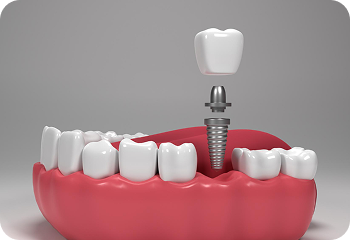
Dental Implants
Independent titanium posts that function as artificial roots, preserving the jawbone.
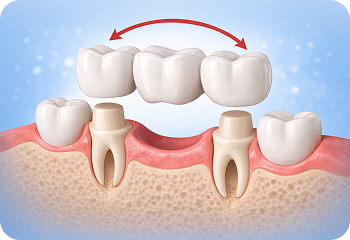
Fixed Bridges
A non-removable prosthetic that "bridges" the gap by using neighboring teeth as anchors.
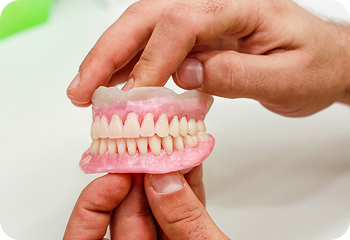
Partial or Full Dentures
Removable appliances used when several teeth or an entire arch needs restoration.
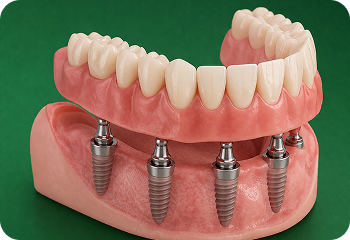
Implant Supported Dentures
Dentures supported by dental implants, providing enhanced stability and improved chewing function.