
Dental Fillings
Restorative Dental Fillings
Dental fillings are used to restore the function and integrity of a tooth damaged by decay or minor fractures. Modern restorative dentistry prioritizes "invisible" repairs using biocompatible materials that bond directly to the natural tooth structure.
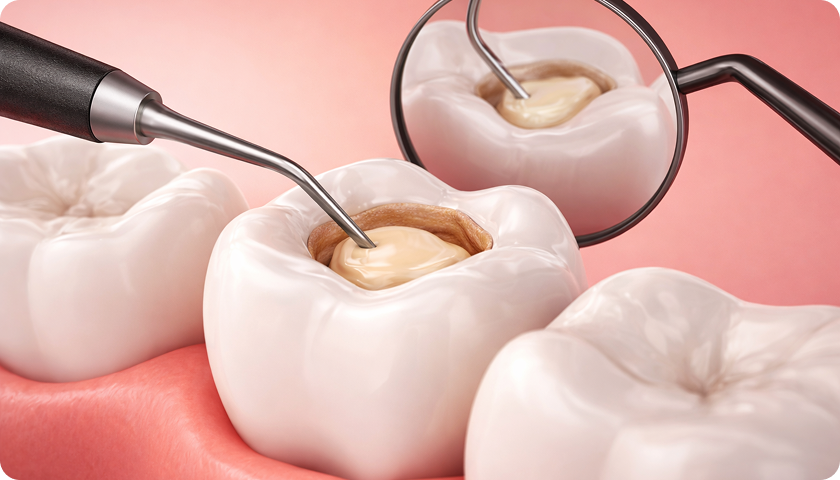
Types of Filling Materials
The choice of material depends on the location of the cavity and the biting force it must endure: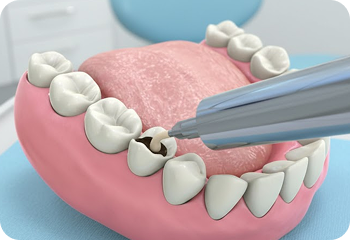
Composite Resin
A tooth-colored mixture of plastic and glass that provides excellent aesthetics and chemical bonding.
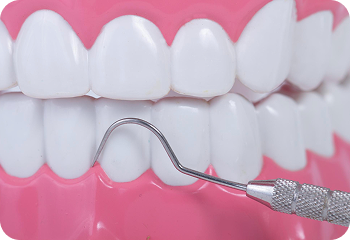
Glass Ionomer
Often used for fillings near the gum line, as it releases fluoride to help prevent further decay.
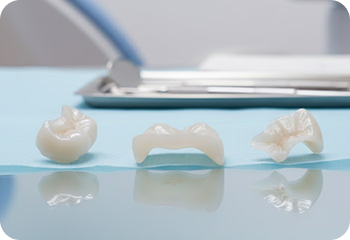
Ceramic Inlays
Lab-fabricated restorations used for larger cavities that require maximum structural reinforcement.
The Filling Procedure
Site Preparation
The decayed or weakened enamel is removed, and the cavity is sterilized.
Etching and Bonding
A mild solution is applied to create a porous surface, followed by a bonding agent that acts as a clinical adhesive.
Incremental Layering
The resin is applied in thin layers, each sculpted to replicate the natural peaks and valleys of the tooth.
Photo-Polymerization
A high-intensity blue light is used to instantly harden the material.