
Dental Extraction
What is Dental Extraction?
A dental extraction is the surgical removal of a tooth from its socket. While the priority of modern dentistry is preservation, extraction becomes a medical necessity when a tooth threatens the health of the jaw or adjacent teeth.

Common Clinical Reasons for Extraction
Extraction is required when conservative treatments like root canals or crowns are no longer viable. Key indications include: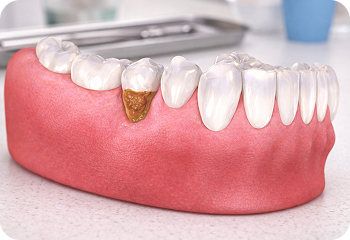
Terminal Caries
Decay that has decimated the tooth structure below the gum line.
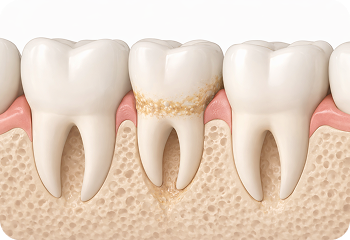
Periodontal Bone Loss
Advanced gum disease that destroys supporting ligaments, leaving the tooth unstable.
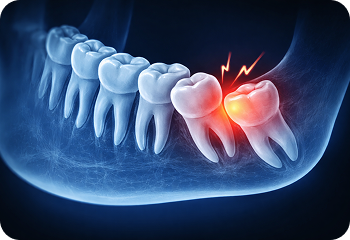
Impaction
Typically seen in wisdom teeth that lack space to emerge, causing infection or root resorption of neighbors.

Skeletal Crowding
Removal of healthy teeth to facilitate orthodontic alignment.
The Step-by-Step Extraction Process
Radiographic Mapping
X-rays identify root morphology and nerve proximity.
Anesthesia
Local agents block sensory nerves for a painless experience.
Luxation
Specialized elevators widen the socket and detach periodontal fibers.
Elevation
The tooth is lifted out. Complex cases may involve sectioning to prevent bone trauma.
Tips for Recovery
Healing relies on the stability of the blood clot. Avoiding suction (straws), smoking, or vigorous rinsing for 24 hours is essential to prevent dry socket and ensure tissue regeneration.