
The Truth About Root Canal Treatment: Saving Your Smile
Mention "root canal" and most people imagine a nightmare. That reputation is mostly based on old stories and outdated tools. Today, this procedure is a standard rescue mission. It is the only way to save a tooth that is rotting from the inside.
Rather than causing pain it ends it altogether. When a tooth is deeply damaged, there are two choices. Pull it out or perform a root canal. Choosing the latter means keeping natural bite and the jawbone stays healthy.
Inside the Tooth: Why it Hurts
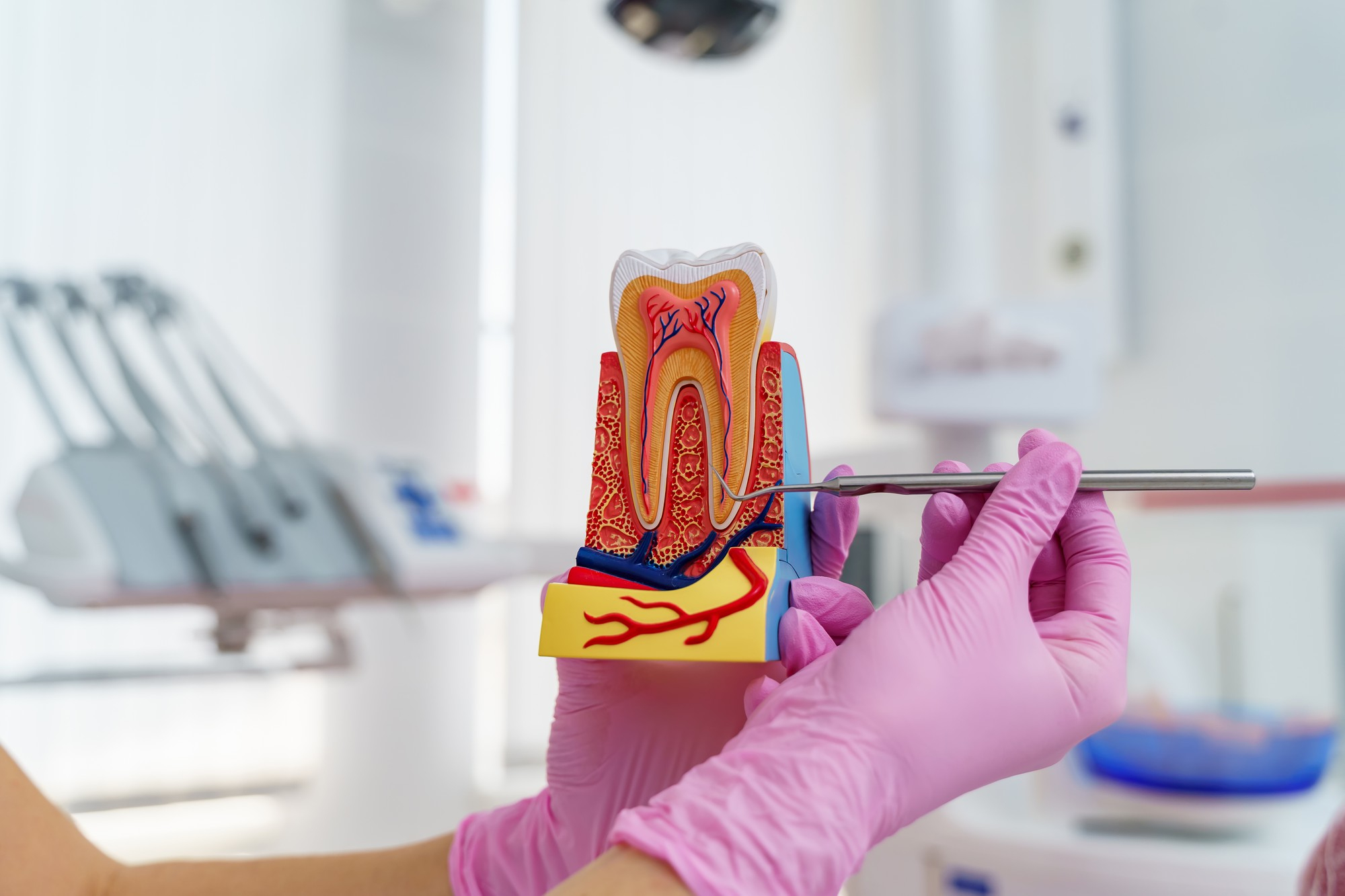
Think of the tooth as a hard shell. The white enamel on top is the armor. Deep inside that armor is a soft center called the pulp. This area is full of nerves and tiny blood vessels. It’s what makes a tooth "alive" while it is still growing.
Problems start when bacteria break through the shell. A deep cavity, a loose filling, or a small crack opens the door. Once germs get inside that central chamber, the nerves become inflamed. Because the tooth is a hard container, the swelling has nowhere to go. That trapped pressure is what causes that heavy, throbbing ache. A root canal simply clears out that damaged center and saves the outer shell.
The Biological Cost of Waiting
Some people hope a toothache will just go away. In reality, it doesn't. If the infection stays in the pulp, it eventually travels down the root and into the jawbone. This creates a "pocket" of infection called an abscess.
At this stage, the pain can spread to the ear or jawline. The infection can even weaken the bone that holds the tooth in place. Acting fast prevents the infection from spreading to the bloodstream and makes the treatment much simpler.
Signs Your Tooth Needs Help
Teeth usually give off clear warning signals when the internal "wiring" is failing. Watch out for these red flags:
- The Long Ache: A quick flash of cold from a drink is normal. An ache that stays for minutes afterward is not. That means the nerve is struggling to survive.
- Night Pain: Does the pain get worse when lying down? Gravity increases blood flow to the head. This jacks up the pressure inside a sick tooth.
- The Gum Bump: A tiny, pimple-like swelling on the gums is a huge clue. It usually means an infection is trying to drain out of the bone.
- Darkening: If one tooth starts looking grey or bruised, the nerve inside has likely died.
The Procedure: Simple and Quiet
The actual process is surprisingly dull. First, the dentist uses a strong numbing agent. This prevents any sensation beyond some light pressure. Once you are numb, they make a tiny opening in the top of the tooth.
Specialized, flexible tools are used to sweep out the infected tissue. Think of it like cleaning a tiny, narrow pipe. The dentist then scrubs the area with a cleaning solution. This kills any leftover germs. Finally, the hollow space is filled with a sterile, rubber-like material. This seals the tooth from the bottom up so bacteria can't get back in.
Recovery and the Final Shield
After the numbing wears off, the area might feel a bit tender for a day or two. This is just the body’s natural healing response. Most people find that an over-the-counter pain reliever is all they need.
A tooth without a nerve is like a dry branch. It can become brittle over time because it no longer has a blood supply. To keep it from snapping while chewing, a porcelain crown is usually placed over the top. This acts like a helmet. It gives the tooth the strength it needs to last for decades.
KP Care Centre is a highly sought after clinic of root canal treatment in Chennai. Dr. Pia Patel eliminates deep-seated infection with high-magnification endodontic tools with precision disinfection protocols to stop pain and preserve the natural tooth structure.